

Ask someone what they remember most clearly about a trip and food often appears before landmarks or museums. A single meal can anchor an entire destination in memory, tied to smell, sound, texture, and conversation rather than photographs. That is why many travellers instinctively search for a Phuket restaurant soon after arrival, not simply to eat, but to begin forming a sensory connection with where they are.
Meals create rhythm in unfamiliar environments. Breakfast sets the tone for the day, lunch becomes a pause point, and dinner shapes how evenings unfold. Unlike scheduled attractions, eating allows space for observation. People notice how locals order, how dishes arrive, how long tables remain occupied. These details quietly reveal cultural habits that guide how visitors settle into a place.
Memory Lives in the Senses
Food engages more senses simultaneously than most travel experiences. Heat from a dish, background chatter, clatter of plates, and shifting aromas combine into a layered memory that lingers long after specific details fade. Even years later, a similar smell or flavour can trigger vivid recall of a particular street or moment.
Texture plays a part too. Crunch, softness, spice warmth, and temperature contrasts register physically, creating embodied memories rather than abstract recollection. This sensory depth explains why food stories often feel more emotionally charged than sightseeing anecdotes.
Social Space Without Formality
Restaurants create natural gathering points without requiring structured plans. Travellers share tables, exchange recommendations, and observe unfamiliar etiquette organically. Eating together lowers social barriers because everyone participates in the same basic activity regardless of background.
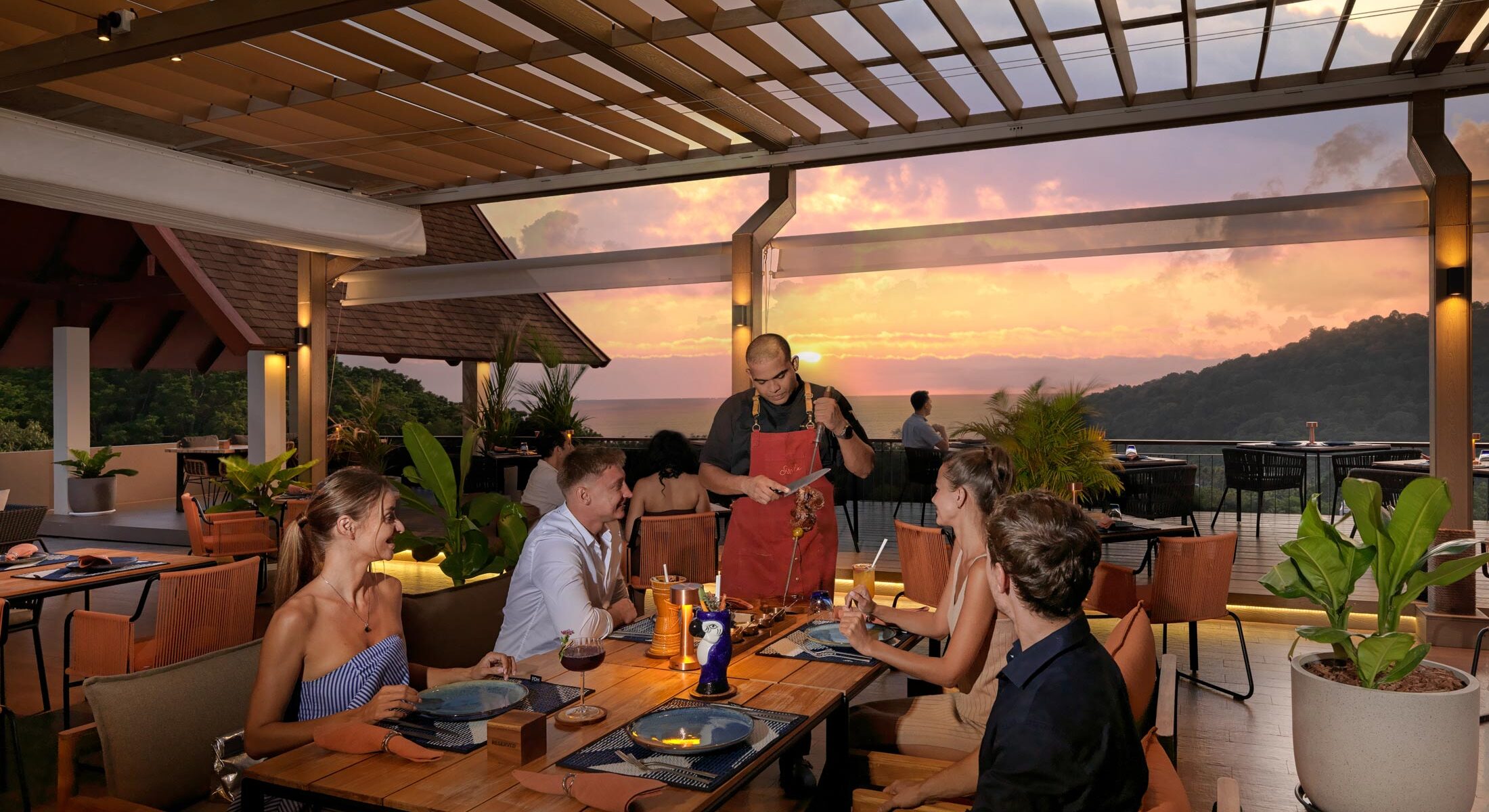
Conversation tends to flow differently over meals than during formal tours. Pauses feel comfortable, silence carries less pressure, and shared discovery becomes part of the experience rather than a checklist item.
The Influence of Environment on Perception
Lighting, layout, acoustics, and pacing influence how a meal feels emotionally. A relaxed environment encourages lingering and conversation, while busier spaces energise and stimulate. These cues subtly shape whether people associate a destination with calm, vibrancy, intimacy, or excitement.
Even service style contributes to memory formation. Attentive pacing, natural interaction, and clear communication affect how comfortable guests feel navigating unfamiliar cuisine and customs.
Food as Cultural Translation
Menus often act as informal cultural guides. Ingredients reflect climate, trade history, and local agriculture. Preparation techniques reveal resourcefulness and tradition. Portions and sharing styles signal social norms around hospitality and communal eating.
Travellers learn without formal explanation, simply by observing and tasting. Over time, confidence grows, and unfamiliar dishes become familiar references rather than curiosities.
Why Certain Meals Outlast the Trip
Not every meal becomes memorable, but the ones that do often combine sensory impact with emotional context. A long conversation, unexpected kindness, or personal milestone can fuse with flavour memory.
These moments shape how people later describe a destination. Rather than listing attractions, they recall a taste, a table, a conversation.
Dining becomes less about consumption and more about anchoring experience. A place becomes real not through maps or photos, but through the quiet accumulation of shared meals and sensory memory that continues to surface long after the journey ends.
Comments are closed.